Rooks Word Game
Checkers Word Game
Find every word in the list.
It’s half quiz, half word game.
It’s two games in one.
Categories
The people, places, or things in each list are drawn from a narrow topic within a subcategory of a broader category, and they progress from famous (easy) to less famous (hard).
And there’s one outlier:
Three Levels of Difficulty
The harder levels may ask for more quantity or more expertise, or both.
But it’s possible for Anyone to solve the games for Devotees and Experts, and as you’ll see below, you can use extra hints whenever you need them, and there are two ways to play the game, so you can tailor the challenge according to how well you know the topic.
Choose a Style of Play
There are two ways to play the game:
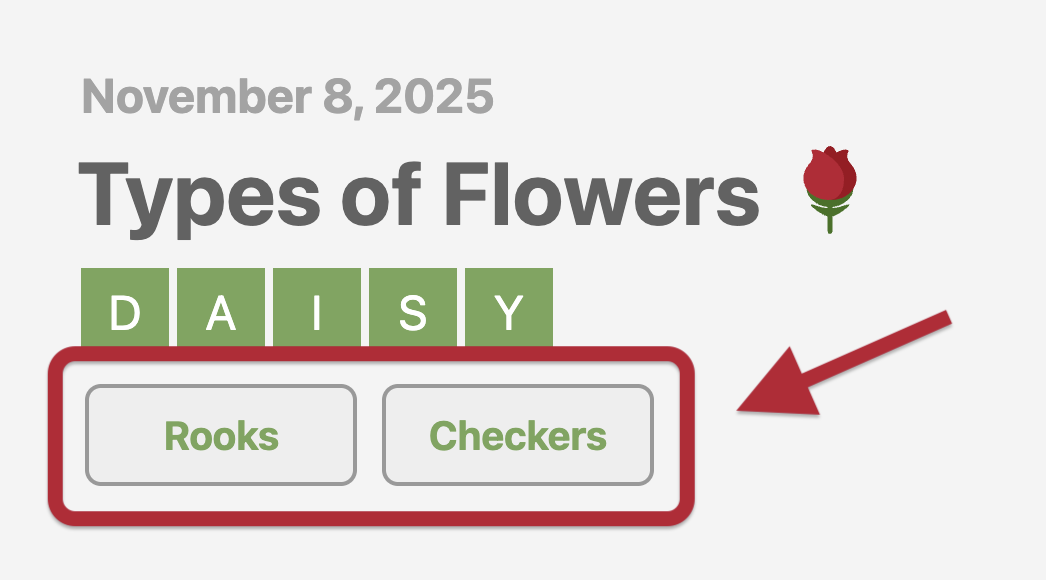
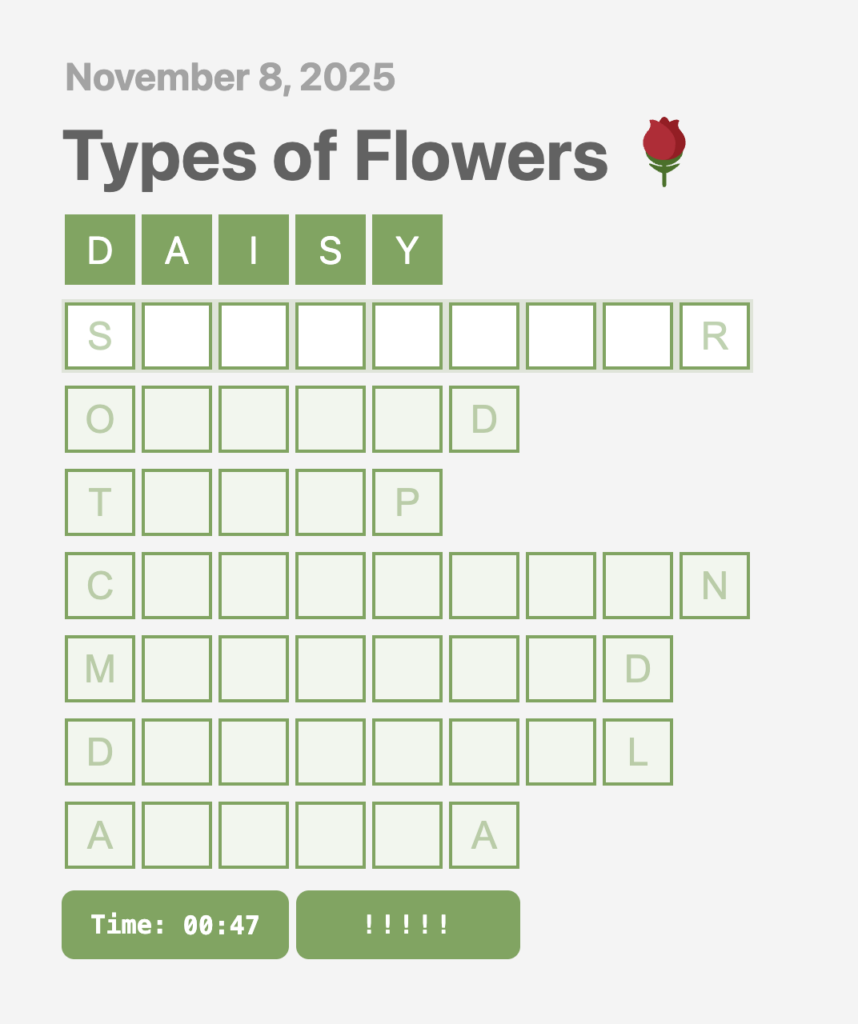
- Rooks (first & last letters)
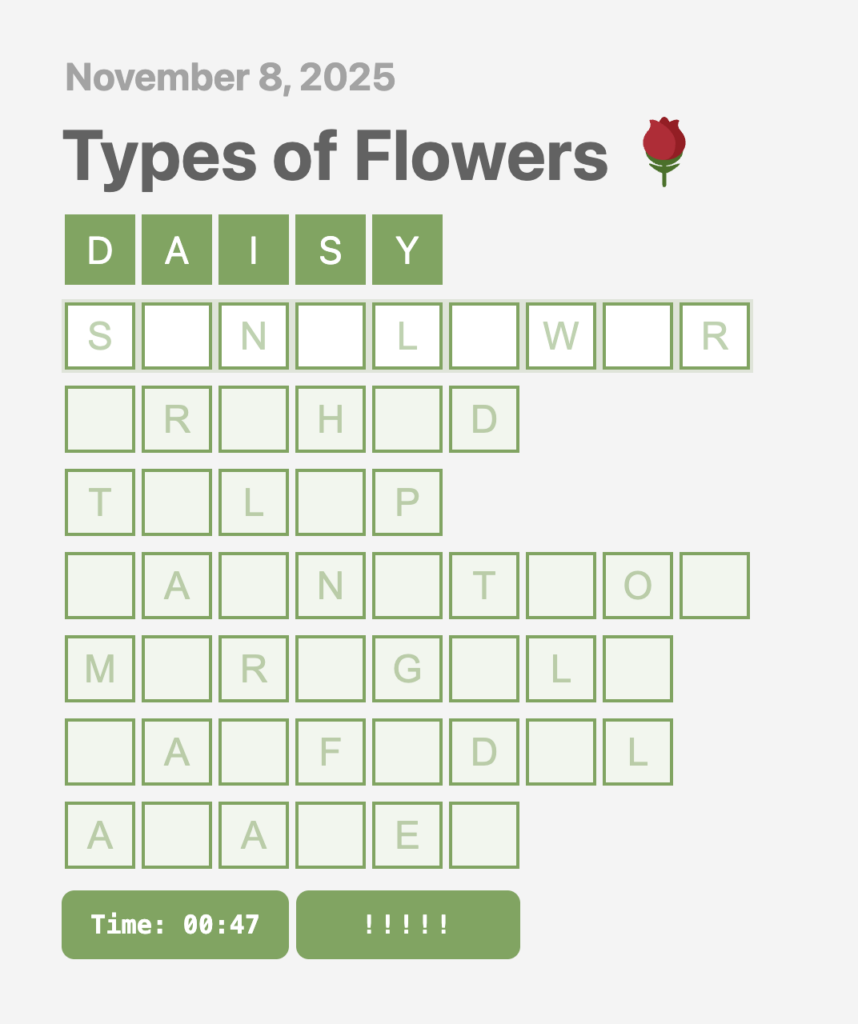
- Checkers (every other letter)
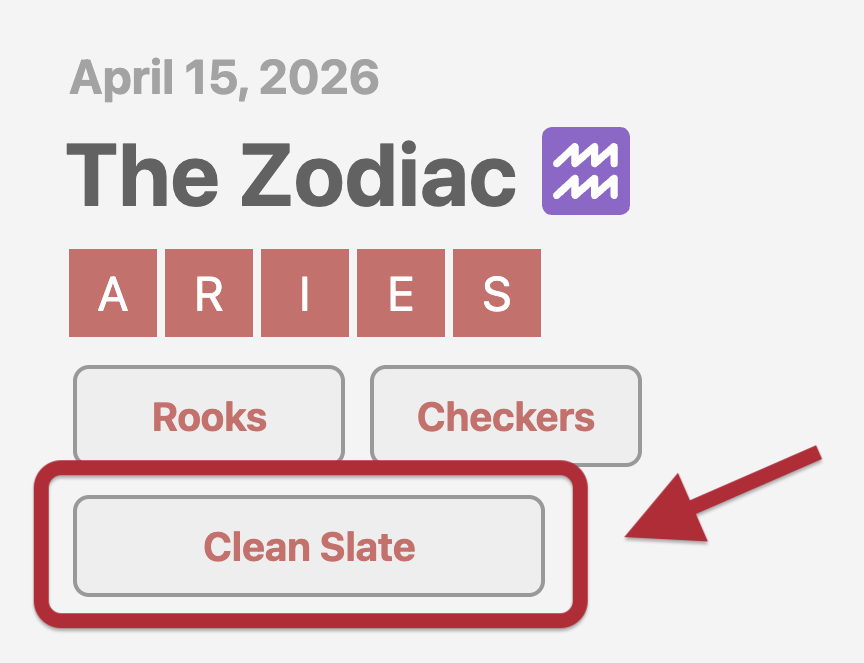
- Clean Slate (no hints)
For exhaustive word lists with a sequential, chronological or ranked order, you may see a third style of play called “Clean Slate” ; This is the most difficult way to play the game, but it’s also a great way to memorize all the people, places, or things in the list. You start the game with no hints.
Type the Whole Word
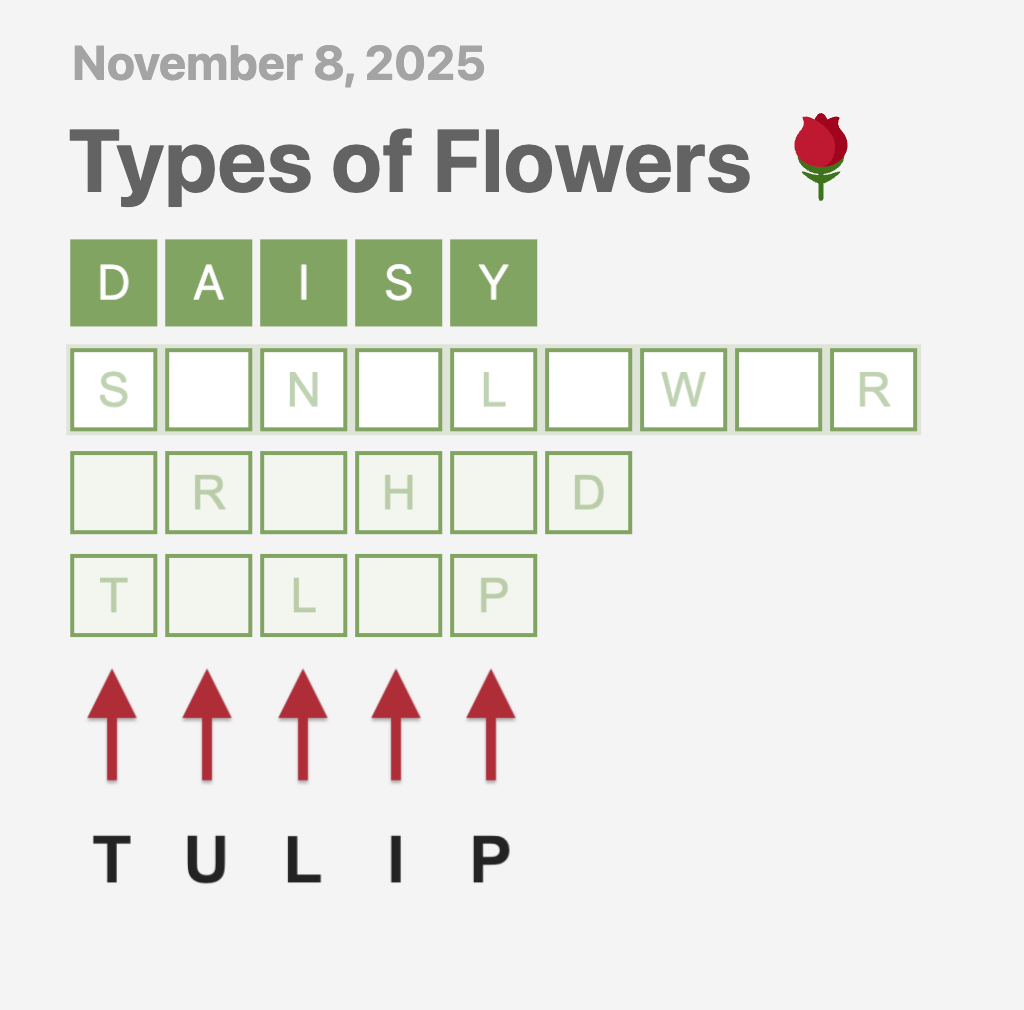
The hint letters are just placeholders.
Overwrite hints and type the entire word.
American Spelling
Neighbour ❌
Neighbor ✅
Skip Diacritic Marks
PiñaColada ❌
PinaColada ✅
Skip “The”
TheGameofLife ❌
GameofLife ✅
Skip Punctuation Marks
Mrs.Weasley ❌
MrsWeasley ✅
Keep an Eye on the Time
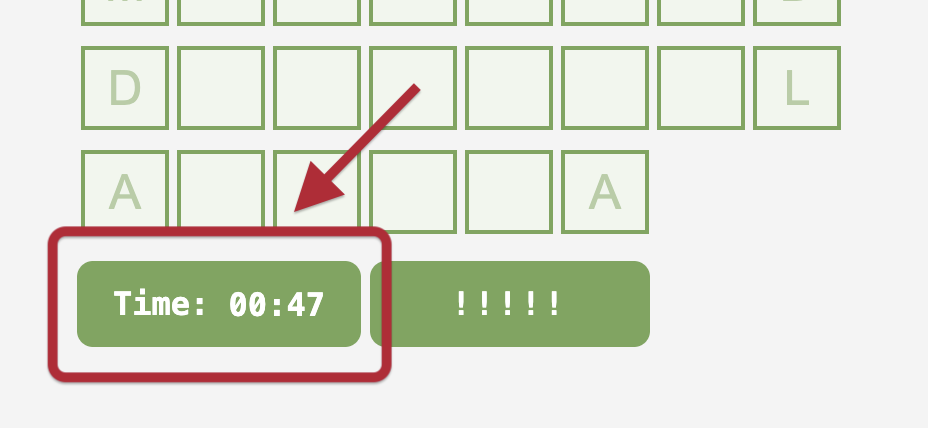
Use the Hint Button
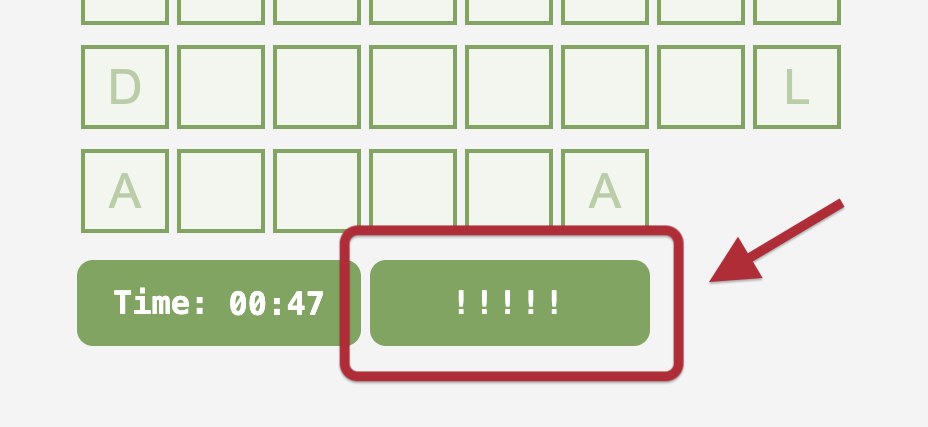
You get five or seven additional hints for each game, to use whenever you need them. When you tap or click this button, the next letter of the current word will be revealed as a hint.
Use these hints wisely.
After using all the hints, you will see a “Give Up” button; when you click or tap the “Give Up” button, the remaining undiscovered words are revealed.
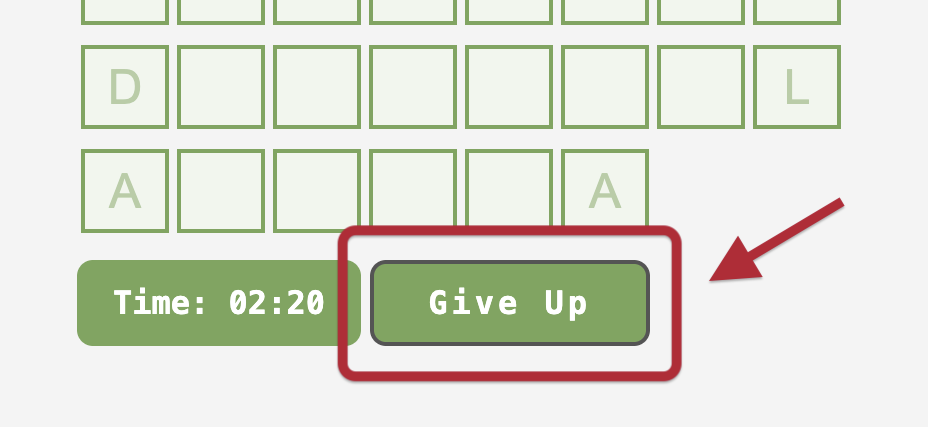
Fun Ways to Play
– Race: Use all of the hints and try to finish as quickly as possible.
– Perfect Game: Ignore the timer and try to finish without using any hints.
Have fun. Tell a friend.
Save as an App
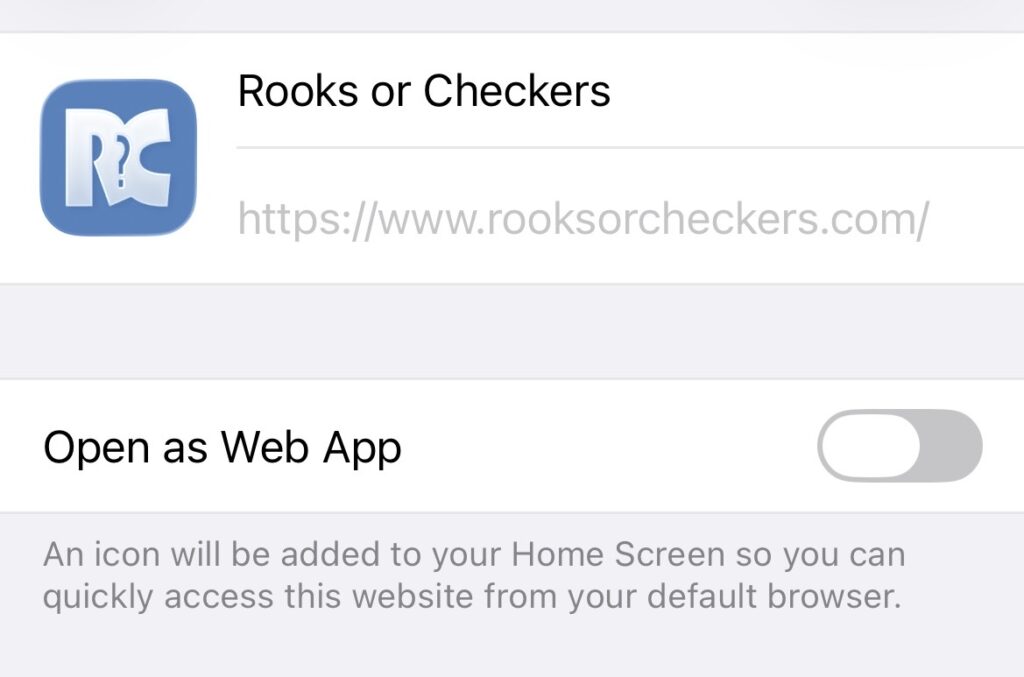
You can save this game to your smartphone homescreen, but in iOS for iPhones, please turn off “Open as Web App” to ensure the best experience.
For the curious…
Yes, we use frontier AI models to help discover and rank the best people, places, or things for each list, but our human staff always manages everything to ensure that the lists are correct.
We begin by crafting a unique, detailed prompt designed to generate a specific ranked list of people, places, or things. We then submit the same prompt to three or four frontier AI models, running it an equal number of times with each model. The results are scored using a standard Borda-style ranking system to produce a master list. A human editor reviews the final results and may occasionally make minor adjustments, but only after carefully examining all model-generated lists and supporting data.
Our lists are carefully vetted and thoroughly evaluated before publishing. If you disagree with anything, you’re probably wrong, but we appreciate your enthusiasm.
That said, if you are extremely upset and feel the need to vent, you may contact our team with the form here.
We guarantee that a frontier AI agent will carefully read and analyze your message before a human staff member reviews the results and decides to do absolutely nothing about it.
Actually, we would really appreciate your help if you find any misspelled words anywhere. Thank you.
Research Background
This game is based on well-established findings from cognitive psychology, memory research, and second-language acquisition. In particular, it draws on the concept of retrieval practice—actively recalling information from memory—which has been shown to strengthen long-term retention more effectively than passive review, a finding often referred to as the “testing effect.” Each time a memory is successfully retrieved, it becomes more accessible and more strongly encoded for future recall.
The design also incorporates elements of spaced retrieval, in which information is recalled over increasing intervals of time. This approach has been widely studied and has shown benefits for long-term memory formation, vocabulary and name learning, and individuals experiencing memory challenges.
The game’s vocabulary includes a mixture of thematic and semantic groupings. Thematic groupings connect words through a broader setting, situation, activity, or idea—for example, words associated with travel, a celebration, or a day at the beach. Semantic groupings bring together words that share closely related meanings, such as lists of colors, fruits, items of clothing, or types of tools. Both forms of organization can provide useful associations and cues during word-retrieval practice.
For learners encountering vocabulary for the first time, however, the distinction can be important. Introducing too many unfamiliar words from a closely related semantic category at once can create competition or interference between the new words, making their forms and meanings more difficult to distinguish and remember. Thematically related words are generally less likely to produce this kind of interference because their meanings are connected by a common situation without necessarily competing as similar alternatives.
This concern is substantially reduced when the vocabulary is already known or has been studied previously. Once words have reasonably well-established representations in memory, practising semantically related words together can be useful for activating vocabulary, strengthening category associations, comparing meanings, and improving the ability to select the intended word from among related alternatives. The resulting retrieval competition may make recall temporarily more challenging, but that challenge can become a productive part of the exercise rather than an obstacle to initial learning.
For this reason, second-language learners should use the game primarily to strengthen the recall of vocabulary they already know or have encountered to some degree, rather than as their sole method for introducing large numbers of completely unfamiliar words. Some incidental learning of new vocabulary may—and ideally will—occur during play, but the game’s central purpose is vocabulary activation and retrieval practice.
Native speakers and highly proficient non-native speakers are unlikely to experience the same kind of initial-learning interference because most of the words are already firmly established in memory. For these players, both semantic and thematic groupings can provide productive retrieval cues and opportunities to exercise lexical access, although closely related words may still compete momentarily during recall.
By combining repeated recall, semantic and thematic word association, and low-pressure interaction, the game provides a simple and engaging way to activate the cognitive processes known to support memory retention over time. Its use of structured hint letters encourages word retrieval while keeping the experience accessible and enjoyable for a wide range of players, including second-language learners of English, proficient non-native speakers, older adults, and others interested in maintaining or improving their memory.
“In this sense, the game is not primarily an activity for introducing new vocabulary, but rather an activity for strengthening the recall of words that are already known or have been studied to some degree. The struggle to retrieve a word—and the satisfying moment when it becomes accessible—is where much of the enjoyment of the game is found.” —Rick
If you have ever experienced the “tip-of-the-tongue” phenomenon, sometimes referred to as lethologica, this game offers a fun and practical way to exercise those moments of word recall, strengthen your memory, and perhaps even learn something new.